Guides
Fescue Lawn Mowing Schedule: Height and Frequency by Season
Fescue lawn mowing schedule: cut tall fescue at 3 to 4 inches, mow weekly in spring and fall, and raise the deck in summer heat. Seasonal intervals explained.
What to take away
- Tall fescue is a clumping cool-season grass, so it wants a higher cut than bluegrass: 3 to 4 inches for most home lawns.
- Mow weekly in spring and fall, every 10 to 14 days in summer, and only as needed in winter.
- Never remove more than one third of the blade in a single pass.
- The transition zone runs roughly from USDA zone 6 through zone 8, and summer stress there decides your schedule more than any calendar does.
- The first thing that fails from neglect is densitythin fescue invites crabgrass and summer patch.
The fescue mowing height that actually holds
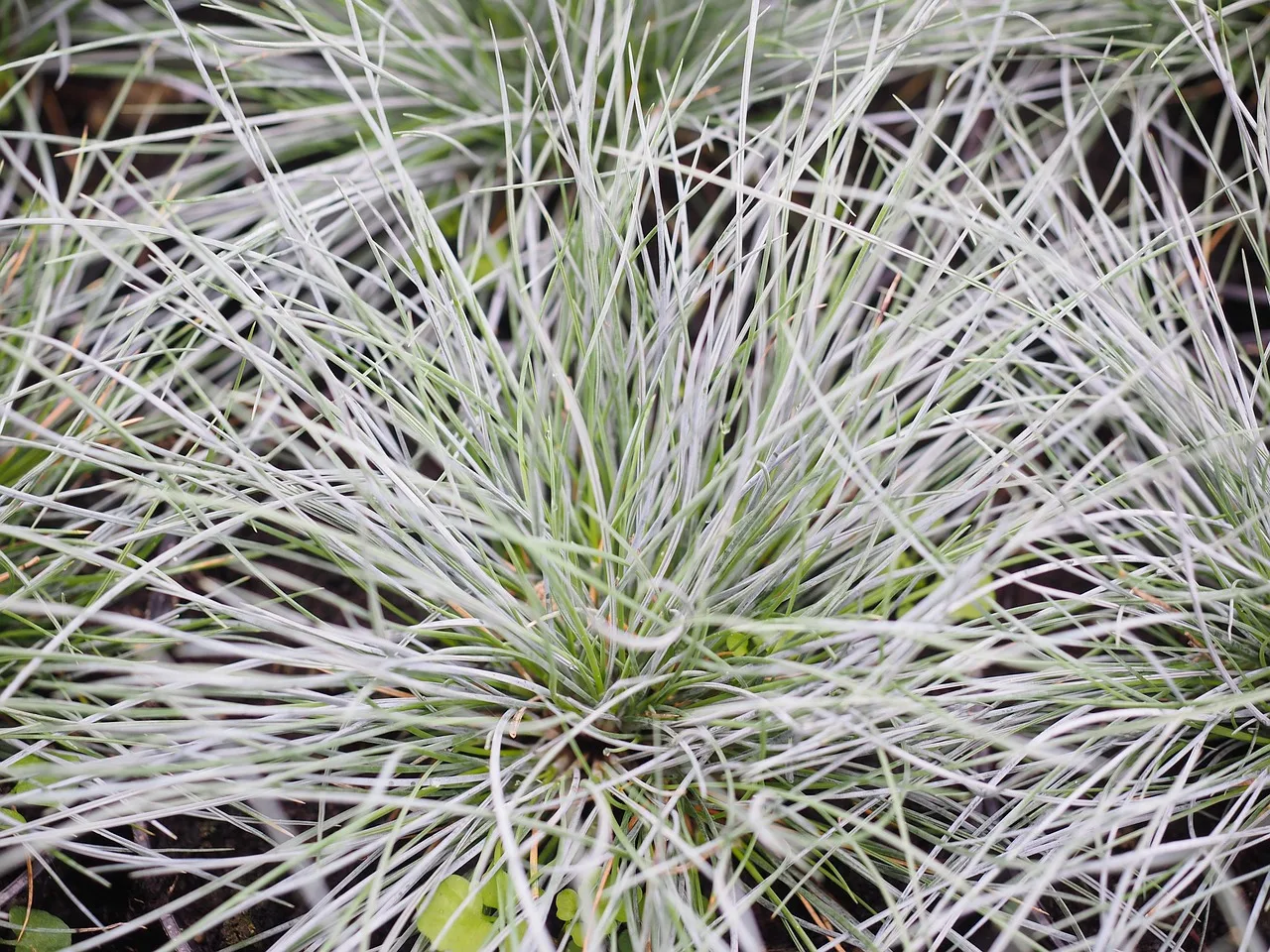
Tall fescue (Festuca arundinacea) grows in bunches rather than spreading by rhizomes, so it does not fill bare spots the way Kentucky bluegrass does. That single trait drives the height rule. Leaving the blade long shades the crown and the soil, which keeps roots cooler and slows weed germination.
Fescue Mowing Height by Season
Spring
- Cut height
- 3 in
- Mowing interval
- 7 days
Summer
- Cut height
- 3.5-4 in
- Mowing interval
- 10-14 days
Fall
- Cut height
- 3 in
- Mowing interval
- 7 days
Winter
- Cut height
- 3.5 in
- Mowing interval
- 3-6 weeks
A rotary mower set at 3 inches is a floor for a mature stand. From June through August, raise it to 3.5 or 4 inches, and again for the last cut before winter.
Fine fescues in shaded or low-input lawns tolerate 2.5 to 3 inches. See tall fescue growth habit notes for the botanical detail behind clumping.
Fescue mowing height
| Season | Height | Interval |
|---|---|---|
| Spring | 3 in | 7 days |
| Summer | 3.5 to 4 in | 10 to 14 days |
| Fall | 3 in | 7 days |
| Winter | 3.5 in | 3 to 6 weeks |
The one-third rule matters more on fescue than on any other cool-season lawn. Scalping a clump removes the growing point and it does not come back from a stolon.
After the first month
Treat the first four weeks after seeding or sodding as a separate regime. Mow when the grass reaches about 4 inches, and cut back to 3. Do not bag unless clippings clump. Keep the blade sharp; a dull blade tears fescue blades and opens the leaf to disease.
If you are handing this schedule to a new crew member, the sequence is worth writing down:
First-Month Mowing Routine
- Check soil moisture with a screwdriver
- Set deck height, confirm with tape
- Mow in a different direction
- Blow clippings off hard surfaces
A written routine shortens the learning curve, and the new-hire checklist for a lawn care business covers the rest of the first-month tasks.
Each season
Spring is the growth peak. Expect to mow every 5 to 7 days from March through May in the transition zone, and do not skip a week hoping to catch up later. Fescue in rapid growth will go to seed and the stems harden.
Summer is where schedules break. Tall fescue is not heat dormant the way bluegrass is, but it slows sharply above 90 F, especially with humidity. Raise the deck, stretch the interval to 10 to 14 days, and stop fertilizing. Growth patterns through the warm months are covered in more depth in when to switch from spring to summer mowing schedule.
Fall is the repair season. Aerate, overseed, and return to a 7-day cut at 3 inches. The last mow of the year should leave the lawn at 3.5 inches going into dormancy.
Winter needs almost nothing. Mow only to knock down leaves or seed heads, and stay off saturated soil. If you run crews across hardiness lines, mowing schedules by USDA hardiness zone explains how the calendar shifts.
Once a year
Do these tasks on a fixed date so they do not drift:
Annual Mower Maintenance Tasks
- Sharpen or replace mower blades
- Measure actual cut height with tape
- Check deck level front to back
- Replace spark plug and air filter
- Review schedule against visit counts
That last item is a pricing question as much as an agronomic one. A fescue lawn that needs 34 cuts a year in Ohio and 26 in Texas is two different contracts. The comparison in Texas and Ohio mowing route pricing compared walks through the arithmetic.
Every few years
Fescue thins out, and no mowing schedule fixes that. Plan on overseeding every 2 to 3 years in the transition zone, or every year on irrigated lawns under heavy traffic. Core aeration on the same cycle relieves the compaction that shallow fescue roots create.
If the stand is more than 15 percent weeds by coverage, renovation beats another round of overseeding. This is also the point to reconsider the species. Warm-season grasses hold up better south of zone 8, and the maintenance profile for one of them is set out on the Zoysia page.
Signs it needs attention now
Signs it needs attention
| Symptom | Likely cause |
|---|---|
| Brown patches that spread in heat | Summer patch or brown patch fungus |
| Thin, pale turf after mowing | Scalping or a dull blade |
| Crabgrass in bare spots | Cut too short, or compacted soil |
| Yellow streaks across the lawn | Nitrogen deficiency or dull blade |
| Grass pulls up like carpet | White grubs |
A dull blade is the most common cause of the first three rows, and it is the cheapest to fix. Sharpen before you buy anything else.
Symptom to Likely Cause
Symptom
- Brown spreading patches
- Summer patch or brown patch
- Thin, pale turf
- Scalping or dull blade
- Crabgrass in bare spots
- Cut too short or compacted
- Yellow streaks
- Nitrogen deficiency or dull blade
- Grass pulls up like carpet
- White grubs
Likely cause
- Brown spreading patches
- Thin, pale turf
- Crabgrass in bare spots
- Yellow streaks
- Grass pulls up like carpet
Mowing is one input among several, and the background on general turf maintenance on the lawn care page is a useful cross-check when a client insists the schedule is the whole problem.
Common questions
How short can I cut tall fescue in summer?
Do not go below 3 inches, and 3.5 is safer. Short fescue in July heat loses root mass and thins within a few weeks.
Is weekly mowing too often for fescue?
No, in spring and fall it is often not enough. Weekly is the baseline; stretch to 10 to 14 days only when growth slows in summer.
Does the transition zone change the schedule?
Yes. Zone 6 lawns push hard in May and September, while zone 8 lawns stall in July and August. Build the calendar around your own growth, not a national chart.
Can I skip a week if I raise the deck?
Raising the deck helps, but skipping still removes more than one third of the blade. Mow at the same interval and cut higher instead.