Guides
What a new lawn care business owner needs to buy: the equipment list
Lawn care equipment checklists for a new route: what to buy in order, the daily pre-start walk, the weekly service pass, and the end-of-season handover.
What to take away
- What a new lawn care business owner needs to buythe equipment list, organized into four checklists for the whole year: buy, daily, weekly, season end.
- The daily pre-start check protects the day's stops, not the machine.
- Wear parts belong on the truck. A spare of the item that fails most belongs there too.
- Every check that finds something should generate a note with a date.
- A checklist nobody can finish in the time available will be skipped entirely.
- Named buy-list examples below include the Honda HRX217VKA, Stihl FS 56 RC-E, Echo PB-8010, Oregon Gator blades, and NGK BPR6ES plug.
Checklists fail when they are written to be complete rather than doable. This list is sized for the time available at each point in the week. The reasoning behind those choices, downtime priced in stops and redundancy placed on frequent failures, is in the equipment and setup guide.
Checklist one: the buy list, in order
Buy down this list, not across it. Each block should be complete before the next begins.
Buy List In Order
- Cutting coremower, trimmer, blower
- Wear parts and roadside tools
- One spare of the day-stopping item
- Personal protection for every person
- Fuel handling and trailer placement
- Transport, measurement, storage
- Season-block tools added last
- Cutting corechoose a mower for your dominant property type.
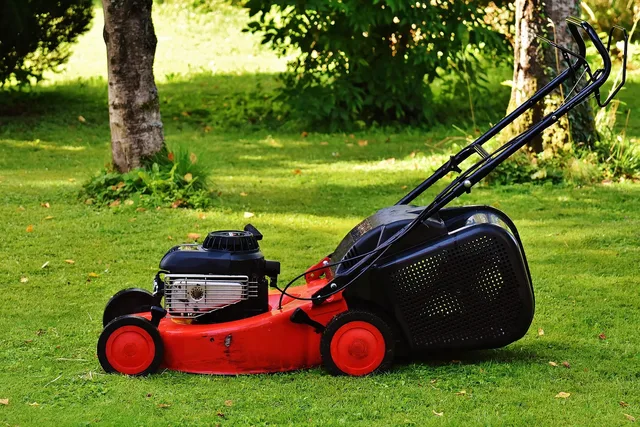
- Small residential: Honda HRX217VKA walk-behind, 200cc engine, hydrostatic drive, typically $700 to $850.
- Larger lots: Toro TimeCutter SS4225, 42-inch deck, 22-hp Kawasaki engine, typically $3,000 to $3,500.
- Commercial: Scag Tiger Cat II or Exmark Lazer Z, typically $9,000 to $13,000.
- Trimmer: Stihl FS 56 RC-E, 27.2cc, typically $200 to $250.
- Blower: Echo PB-8010 backpack, 79.9cc, typically $550 to $600.
- Wear parts for the coreblades, trimmer line, belts, filters, and spark plugs.
- Blades: Oregon Gator G3, typically $30 to $60 each.
- Trimmer line: Husqvarna Titanium Force .095, 1-pound spool, typically $15 to $25.
- Belts: Gates or Stens, typically $20 to $45.
- Filters: Briggs & Stratton 491588S, typically $10 to $25.
- Spark plugs: NGK BPR6ES or Champion RC12YC, typically $3 to $6 each.
- Tools: socket set and torque wrench for roadside changes.
- One spare of the item that historically stops a day fastest, usually the trimmer.
- Spare trimmer: second Stihl FS 56 RC-E or Echo SRM-225, typically $200 to $250.
- A spare trimmer on the trailer can save a route day.
- Personal protectioneye protection, hearing protection, gloves, and appropriate footwear for every person on the truck.
- 3M Peltor X-Series earmuffs, typically $25 to $40.
- Stihl clear safety glasses, typically $10 to $20.
- Mechanix Wear M-Pact gloves, typically $25 to $35.
- Red Wing or Timberland PRO work boots, typically $150 to $250.
- Fuel handlingapproved containers, a funnel, absorbent material, and a decided place on the trailer where they ride.
- No-Spill 5-gallon gas can, typically $30 to $45.
- Eagle 5-gallon safety can, typically $50 to $80.
- Funnel, typically $5 to $15.
- Absorbent pads, typically $20 to $40.
- Decide where they ride on the trailer.
- Transportwhatever moves the set legally and safely, with working lights, sound tires, and secure tie-downs.
- 6x12 enclosed trailer, typically $4,000 to $8,000 new and $2,500 to $5,000 used.
- Erickson 1-inch ratchet straps, typically $20 to $40 each.
- Keeper 2-inch straps, typically $30 to $60 each.
- LED trailer light kit, typically $30 to $60.
- Legal movement requires working lights, sound tires, and secure tie-downs.
- Measurementa way to record time per stop and mileage, even if it is a clipboard.
- Clipboard, $5 to $15.
- Jobber and LawnPro starter plans, $29 to $99 per user per month.
- Record time per stop and mileage.
- Storagesecure and dry space, with the layout you plan to load from.
- Husky or Gladiator welded steel shelving, typically $100 to $250.
- Knaack or Jobox jobsite box, typically $400 to $1,000.
- Keep the layout you plan to load from.
- Season-block tools, added when the route is large enough to keep them busy.
- Ryan Lawnaire IV walk-behind aerator, typically $2,500 to $4,000 used.
- Billy Goat OS552 overseeder, typically $3,500 to $5,000.
- BlueBird or Billy Goat dethatcher, typically $1,000 to $2,500.
Do not buy anything in the last block before the first block is complete and the route is real. The order matters more than the choice of any single item.
Checklist two: the daily pre-start walk
Sized to a few minutes before the truck moves. If it takes longer, it has too many items.
Daily Pre-Start Walk
- Trailer lights, tires, ramp, tie-downs
- Fuel on board and secured
- Mower deck, blade, guards
- Trimmer head, guard, line stock
- Blower functional, tube attached
- Protective equipment for everyone
- Route sheet and water on board
Daily pre-start walk
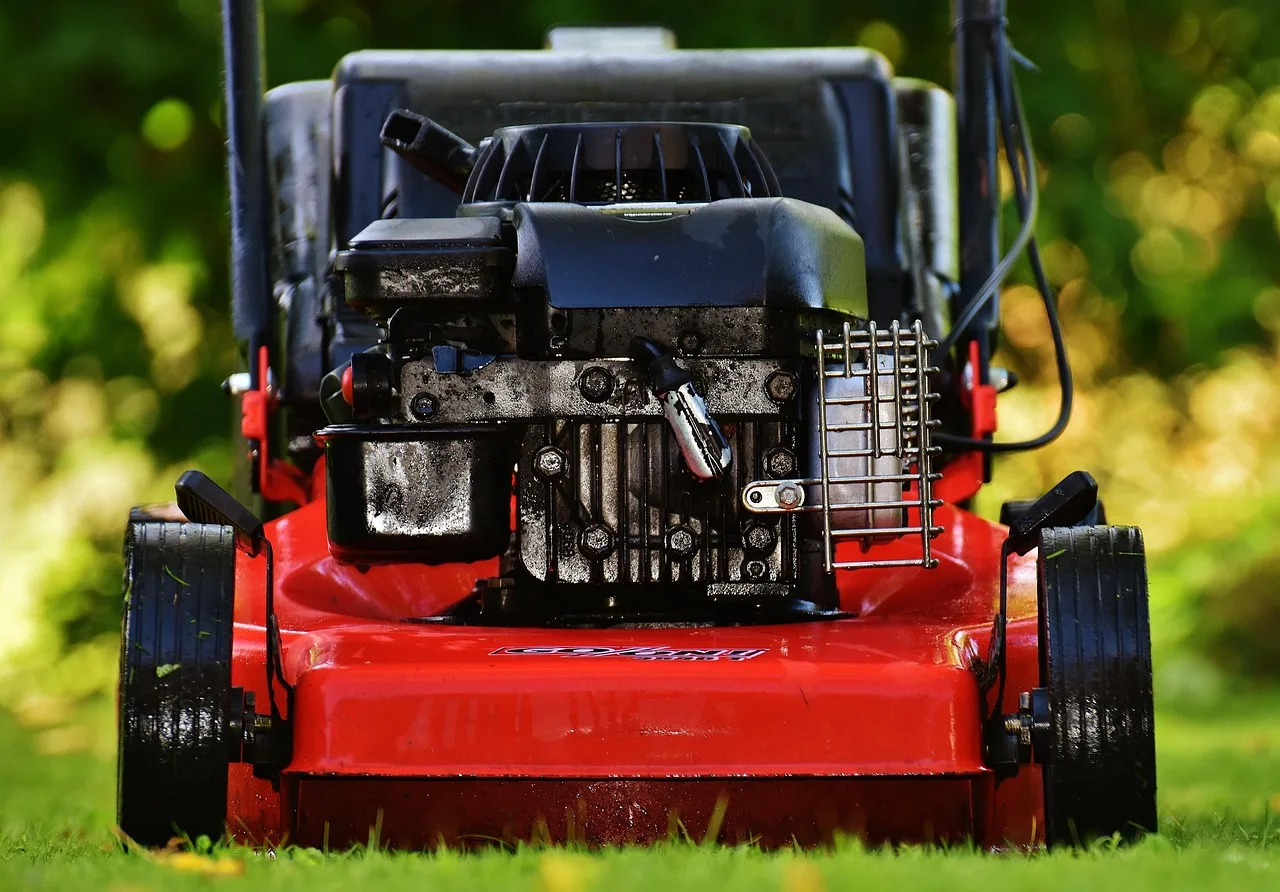
- Engine oil at the full mark, with no leaks under the deck.
- Blades sharp and tight, with spindle bolts snug.
- Guards and shields in place on mower and trimmer.
- Trimmer line loaded and bump head working.
- Blower impeller clear and intake screen clean.
- Tires and caster wheels at pressure, with no cuts.
- Trailer lights, ramps, and tie-downs working.
- Fuel and oil levels set, with no spills in the bed.
The rule that makes it work: a missing guard means the machine stays on the trailer. If the crew learns that the check has one hard consequence, they run it properly.
Checklist three: the weekly service pass
Do this on the same day each week, at the end of the day rather than the start, so a problem found has overnight to be fixed.
Weekly Service Pass
- Blades sharpened, deck cleaned
- Air filters checked or replaced
- Belts and cables inspected
- Fluids topped per manual
- Trimmer head cleaned, line restocked
- Fasteners checked on vibrating parts
- Trailer checked in daylight
- Downtime log updated
Weekly service pass
- Change engine oil and filter per the manual; Honda HRX217VKA and Toro TimeCutter intervals differ.
- Clean or replace the air filter; Briggs & Stratton 491588S and Kohler 25 083 04-S are common.
- Replace the spark plug or check the gap; NGK BPR6ES and Champion RC12YC are common.
- Sharpen or replace blades; Oregon Gator G3 is one option.
- Check belts for cracks; Gates or Stens replacements are common.
- Grease fittings and check deck spindles.
- Clean blower intake and trimmer head.
- Inspect trailer lights, tires, and straps.
- Log downtime by machine.
The downtime log is the item people skip and the one that pays. After a season it tells you which machine to replace and which spare to buy, using evidence rather than memory.
Checklist four: end of season
- Every machine cleaned, serviced, and stored according to its manual, with fuel handled the way the manufacturer specifies.
- Wear parts inventoried and reordered for spring.
- Maintenance and downtime logs reviewed together, machine by machine.
- Purchase documents filed against each asset. The obligation to keep records that clearly show income and expenses, supported by documents for purchases, sales, payroll, and assets, is described in the IRS records guidance.
- Replacement decisions made now rather than in the first busy week of spring.
- Trailer layout reviewed against the setup times you measured.
Each checklist has a different owner, a different window, and a different consequence for skipping it.
Who Owns Which Checklist
Buy list
- When it runs
- Before season
- Who owns it
- Owner
- Cost of skipping
- Capital out of order
Daily pre-start
- When it runs
- Before truck moves
- Who owns it
- Crew leader
- Cost of skipping
- Lost day of stops
Weekly service
- When it runs
- Same day weekly
- Who owns it
- Crew leader
- Cost of skipping
- Slow decline
End of season
- When it runs
- After last route
- Who owns it
- Owner
- Cost of skipping
- Spring repairing
The safety items that are not optional
Guards, shields, protective equipment, and fuel handling belong on every one of the lists above rather than on a separate safety page nobody opens.
The general argument for a program that finds and fixes hazards before an injury or an inspection exposes them is set out in OSHA guidance on safety management.
Three decisions to make once and then apply without discussion:
Safety items not optional
- A machine with a missing or damaged guard does not run.
- Nobody clears a blocked deck until the machine is made safe by the method in its manual.
- Fuel is stored and transported one agreed way, and only that way.
New staff learn these on their first day, alongside the checklists themselves, using the approach in the hiring and training guide.
Equipment that changes what you are allowed to do
A sprayer or a spreader used for products carries rules beyond tool choice. It moves you into a licensing question that is answered by your state rather than by a supplier.
The federal expectations for certified applicators are described in the EPA certification standards, and state, tribal, and territorial programs run the certification itself.
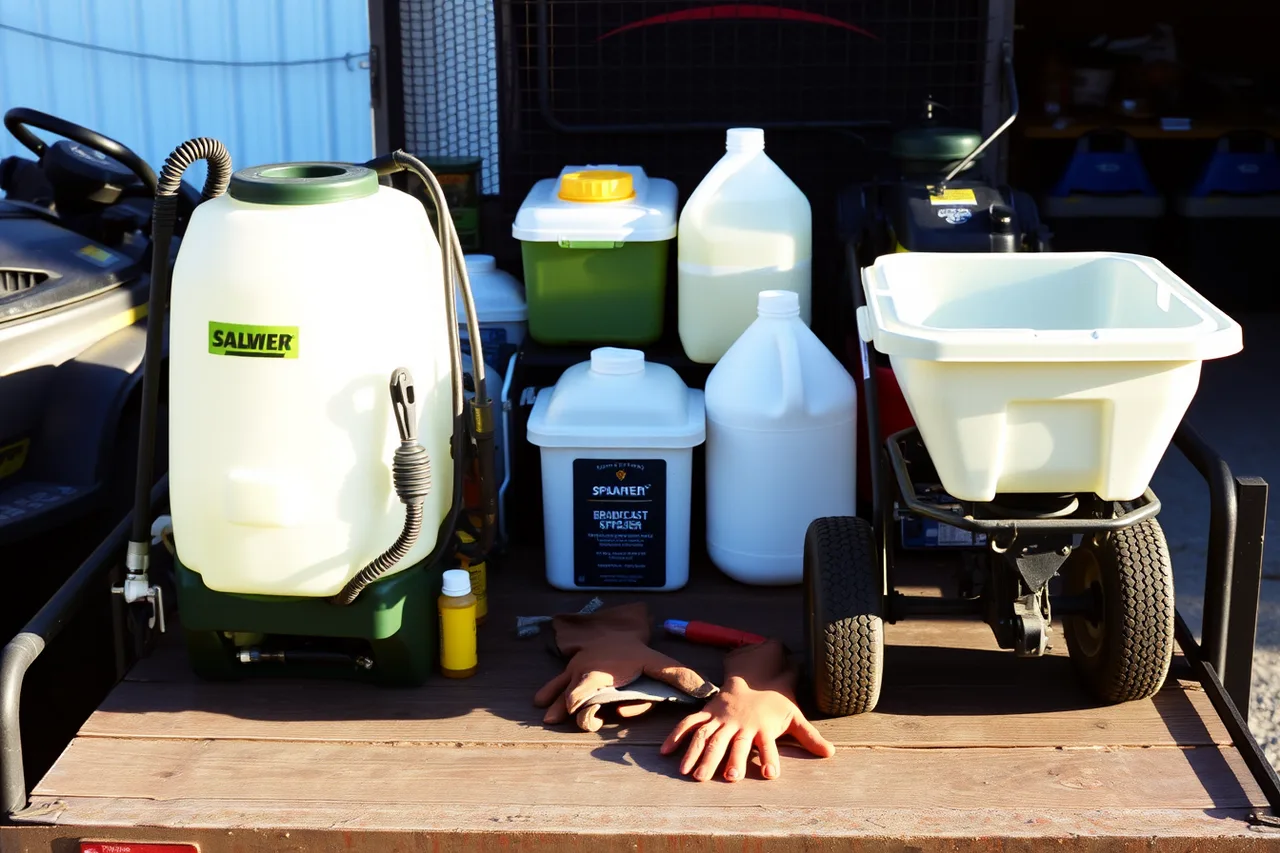
Ask your state department of agriculture what category the intended work falls in, whether the business needs a separate registration, and what storage, transport, and record conditions apply. The full compliance picture is set out in the licensing and compliance guide.
Making the checklists stick
- Print them. A checklist on a phone competes with everything else on the phone.
- Keep each one short enough to finish in the window it lives in.
- Give each one a named owner for the day.
- Review the daily list every few months and delete items that have never once found a problem.
Deleting items is the step that keeps a checklist alive. A list that has grown to forty items will be signed without being done.
The startup sequence these lists support is described in the article on starting a lawn care business, and the territory reasoning that decides how much equipment a route can justify is in the expansion and market guide.
Common questions
How long should the daily check take?
A few minutes. If it grows past that, it will be skipped on the first busy morning, and a skipped check is worse than a short one.
Who signs the checks?
Whoever ran them, by name, on the sheet. Not to allocate blame but so that a repeated finding can be traced to a machine rather than to a person.
Do I need a spare of everything?
No. Carry wear parts for everything and a spare of the item that most often ends a day. Beyond that, a service relationship and a rental fallback cost less than idle machines.
What if a check finds a problem mid-route?
Decide in advance. The usual answer is to finish the stops that do not need that machine, note the affected stops, and reschedule them onto the makeup day rather than pushing the whole week.