
Guides
8 things worth knowing about lawn care equipment
Lawn care equipment judged as route capacity: what a machine set has to survive, downtime measured in lost stops, redundancy rules, and a setup staged by season.
What to take away
- Judge a machine by the stops it protects, not by the price on the tag.
- Redundancy belongs on whatever fails most often, which is usually not the mower.
- Trailer layout is a time decision. Load order sets your setup tax at every stop.
- Fuel, blades, and consumables are recurring costs that behave like labor, not like assets.
A machine set is a capacity decision. It sets how many stops a crew can finish, how badly a failure hurts, and how much time is lost before and after each visit. This guide shows how to think about the setup for a repeating route.
It gives no prices and names no brands. Both move with market, season, and dealer. To build a budget, get three written quotes per machine class, plan on the middle one, and compare it to the contribution of the stops that machine protects. The route reasoning behind it is in the route and territory guide.
Downtime, priced in stops
Start here, because it reframes everything else. When a machine fails mid-morning, the cost is the repair plus every stop that did not happen that day, plus the disruption of fitting those stops somewhere else.
N x V, plus V x S x Rd. N is stops lost on day one. V is the contribution per stop. S is stops lost per repair day. Rd is the number of repair days.
Downtime exposure formula
- Nstops remaining when failure occurs
- Vaverage contribution per stop
- Rddays machine is out of service
- N × V + V × stops lost across Rd daystotal exposure
The exposure from one failure is roughly N multiplied by V, plus V multiplied by the stops lost across the remaining Rd days. On a full route with no slack, those stops do not simply vanish. They land on the makeup day, which was there to absorb weather.
Once the number is in front of you, the question of whether to carry a spare trimmer stops being an equipment question and becomes an insurance question with a clear premium.
What fails, and how often
Rank your own items by how often they have stopped a day.
Failure modes and redundancy
Item
- Handheld trimmer
- Line feed, starting
- Blower
- Starting, clogging
- Walk-behind mower
- Belt, blade, deck
- Ride-on or stand-on
- Hydraulics, belts, tires
- Trailer and tie-downs
- Tires, lights, ramps
- Truck
- Anything
Failure mode
- Handheld trimmer
- Yes, cheapest insurance
- Blower
- Often
- Walk-behind mower
- Wear parts only
- Ride-on or stand-on
- Repair plan, rental
- Trailer and tie-downs
- Yes for tires and lights
- Truck
- Fallback, not spare
Redundancy worth it
- Handheld trimmer
- Blower
- Walk-behind mower
- Ride-on or stand-on
- Trailer and tie-downs
- Truck
| Item | Typical failure mode | Effect on the day | Redundancy usually worth it |
|---|---|---|---|
| Handheld trimmer | Line feed, starting, carburetion | Stops trimming, mowing continues | Yes. One spare trimmer, two trimmer heads, one spool of line |
| Blower | Starting, clogging | Visits finish untidy, disputes follow | Often. One spare blower, one air filter, one spark plug |
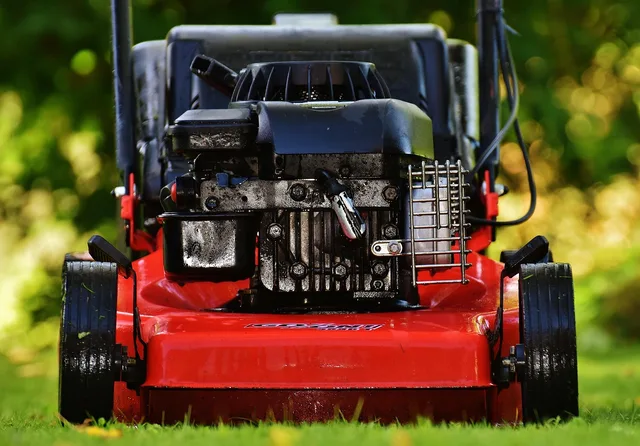
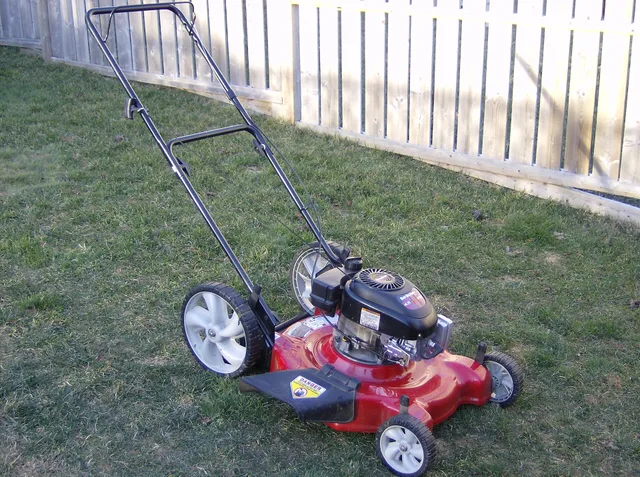
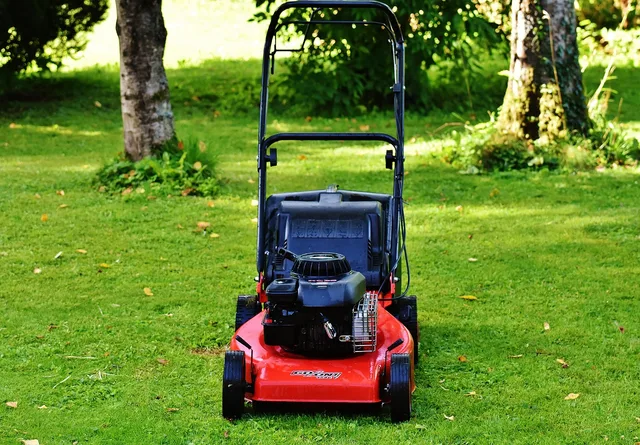
| Walk-behind mower | Belt, blade, deck, drive | Halts the visit outright | No spare mower. Two blades, one drive belt, one set of filters |
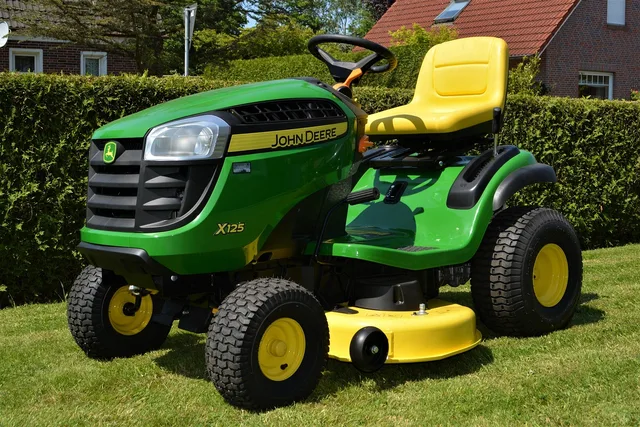
| Ride-on or stand-on | Hydraulics, belts, tires, electrical | Halts a whole day of large properties | No. A dealer contact and a rental fallback |
| Trailer and tie-downs | Tires, lights, ramps, latches | Halts everything, including the drive | Yes for tires and lights. One spare tire, a bulb kit, two tie-downs |
| Truck | Anything | Halts everything | Plan a fallback rather than a spare |
The pattern is consistent across route operations: cheap items that stop a task deserve spares, expensive items that stop a day deserve a repair plan and a rental relationship instead.
The setup tax and trailer layout
Every stop pays a setup tax: the minutes between arriving and cutting, and between finishing and driving away. Multiply that by stops per day and by days per week, and small layout changes become significant.
Setup on a residential route typically runs between 5 and 10 minutes a stop. Anything past 12 minutes is worth fixing before you buy anything.
Say a route runs 18 stops a day, four days a week, at 7 minutes of setup a stop. That is 126 minutes a day, or 504 minutes a week, which is more than eight hours. Getting setup to 5 minutes saves 144 minutes a week, close to two and a half hours.
Things that move the number:
- Load order matching work order. The first machine used should be the easiest to reach.
- Ramp and gate design, which decides whether one person can unload alone.
- Where fuel, line, and hand tools live, and whether topping up requires moving anything.
- Whether the blower can be picked up without setting the trimmer down first.
Time yourself for a week before changing anything, then time yourself again after. This is the cheapest capacity improvement available to most operations, and it needs no purchase at all.
Staging a setup by season, not by ambition
Buy in the order the season demands.
Stage one, before the first paid cut: a commercial walk-behind, a string trimmer, a blower, and hand tools.
Stage two, once the route runs four days a week: a second trimmer as the spare, a larger trailer, and a spare set of blades.
Stage three, when half the booked work is larger properties: a ride-on or stand-on mower, sized to the narrowest gate on the route.
Stage four, when you sell cleanup and bed work: a second blower, a hedge trimmer, and a truck bed that keeps fuel and tools apart.
Stage five, when you add fertility or weed control: a spreader and a sprayer, plus the license and records that go with them.
Buy in season order
- Core cutting set plus wear parts and spare handheld
- Transport and secure storage
- Season-block cleanup equipment when route fills it
- Certified or separately stored capability last
- Second-crew duplication with expansion decision
Matching the set to what you actually sell is the point of stage three onward. The menu that drives it is described in the service and package taxonomy.
Safety belongs in the setup decision
Guards, shields, eye and hearing protection, and a documented way of handling fuel are part of the machine set, not an afterthought bolted on later. The general case for a program that finds and fixes hazards before an injury or an inspection exposes them is set out in OSHA guidance on safety management.
- Guards and shields on every mower, trimmer, and blower, checked at the start of each day.
- Eye and hearing protection on the machine, not in the truck cab.
- A labeled fuel can for each mix, plus a funnel and a spill kit.
- A written step for a damaged blade, a broken guard, or a fuel spill.
Safety decisions to document
- Missing guard means machine does not run
- Who clears a blocked deck and how
- Where fuel is stored and transported
- What crew does about property hazards
Write these down once. They belong in the same folder as the machine manuals.
Equipment that changes your regulatory position
A spray tank, a spreader used for products, or storage for concentrates move you into a different regime and point toward the applicator question.
Federal expectations for certified applicators cover label comprehension, safety, and environmental protection. They also cover equipment, technique, and legal responsibility. The EPA certification standards for pesticide applicators describe them, and state, tribal, and territorial programs administer certification.
Before buying any of it, ask your state department of agriculture which category the intended work falls in. Ask whether the business needs its own registration, what storage and transport conditions apply, and what records each application requires. Buying the machine before asking is the expensive order to do it in.
The records a machine set generates
Machines create paperwork that matters twice: once for tax and once for the next purchase decision.
- Purchase documents, which support the asset record. The general obligation to keep records that clearly show income and expenses, along with documents supporting purchases, sales, payroll, and assets, is set out in the IRS guidance on business records.
- A maintenance log per machine, which is what tells you whether a machine is cheap or merely inexpensive.
- A downtime log, recording the date, the cause, and the stops lost. After one season this is the most useful document you own.
The wider setup sequence, entity, insurance, permits, and finance, is laid out in the SBA Business Guide, and equipment decisions should be made after those are in place rather than before.
Buying decisions, framed as questions
Ask these before any purchase, and write the answers next to the quote.
- Which stops does this machine protect, and how many are they?
- What happens to the day if it fails, and what is the fallback?
- What does it add to the setup tax at every stop?
- What consumables does it commit me to, and at what interval?
- Where does it live, and does it fit there with everything else?
- Can it be serviced locally, and how quickly?
- Would a better trailer layout or a spare handheld buy more capacity for less money?
The last question defeats a surprising number of purchases.
Common questions
Is commercial-grade equipment worth it for a small route?
The answer depends on hours, not on pride. A machine used for a few hours a week and one used all day are different problems. Compare on downtime risk and service availability rather than on advertised durability.
How many spares should I carry?
Enough that the most frequent failure does not end a day. Beyond that, spares are dead capital sitting on the trailer, and the money is usually better spent on a service relationship.
Should I standardize on one machine family?
Standardizing reduces the number of consumables and spare parts you stock and makes training simpler. That operational argument is stronger than most feature comparisons.
How do I know when a machine should be replaced?
When the maintenance log and the downtime log together show it costing stops on a regular basis. Replace on evidence rather than on age.