Guides
The startup budget for a lawn care business and the ways to finance it
What a lawn care startup actually costs, with real figures for mowers, insurance and fuel, plus how loans and savings compare on a bad month.
What to take away
- A one-truck, one-crew residential startup commonly lands between $8,000 and $25,000, and most of it is spent before the first invoice.
- A 21-inch push mower runs $400 to $700; a 48-inch zero-turn runs $5,000 to $9,000 new and $2,500 to $5,000 used.
- General liability for a solo mower starts near $600 a year, and a commercial auto policy costs more than a personal one.
- You need cash for the gap between the first purchase and the week the route pays for itself, and the equipment is only part of it.
- Compare funding on what happens in a slow month, not on the advertised rate.
- SBA Microloans cap at $50,000, and lenders such as Kubota Finance and Sheffield Financial write equipment loans against the machine itself.
A mower, a trailer and an insurance certificate will get you to a first customer. They will not get you to a second season. The number that decides that is the gap between what you spend and what the route earns back, and that gap is bigger than most first-year budgets allow for.
The startup budget for a lawn care business breaks into three parts: the one-off outlay, the weekly operating cost, and the cash that covers the ramp. The ways to finance it run from savings and seller notes to SBA Microloans.
The figures below are typical U.S. ranges for a one-person residential operation as of 2026. Treat them as starting points for your own quotes, not as prices you can hold anyone to.
What the equipment actually costs
A basic residential setup, priced new:
Startup Equipment Costs
Item
- 21-inch push mower
- $400–$700
- 48-inch zero-turn
- $5,000–$9,000 new
- String trimmer and edger
- $250–$500
- Backpack blower
- $300–$600
- Trailer, 5x8 to 6x12
- $1,200–$3,500
- Hand tools and safety gear
- $300–$600
Typical range
- 21-inch push mower
- Toro Recycler 22-inch
- 48-inch zero-turn
- Kubota Z231, Toro TimeCutter
- String trimmer and edger
- Echo SRM-225, Stihl FS 91 R
- Backpack blower
- Husqvarna 350BT, Stihl BR 600
- Trailer, 5x8 to 6x12
- Carry-On, Big Tex
- Hand tools and safety gear
- Chaps, hearing protection
Named examples
- 21-inch push mower
- 48-inch zero-turn
- String trimmer and edger
- Backpack blower
- Trailer, 5x8 to 6x12
- Hand tools and safety gear
| Item | Typical range | Named examples and what they suit |
|---|---|---|
| 21-inch push mower | $400 to $700 | The Toro Recycler 22-inch sits mid-band. Honda stopped building mowers for the U.S. market in 2023, so an HRN216 is now a used buy. Fine for small, gated or steep yards |
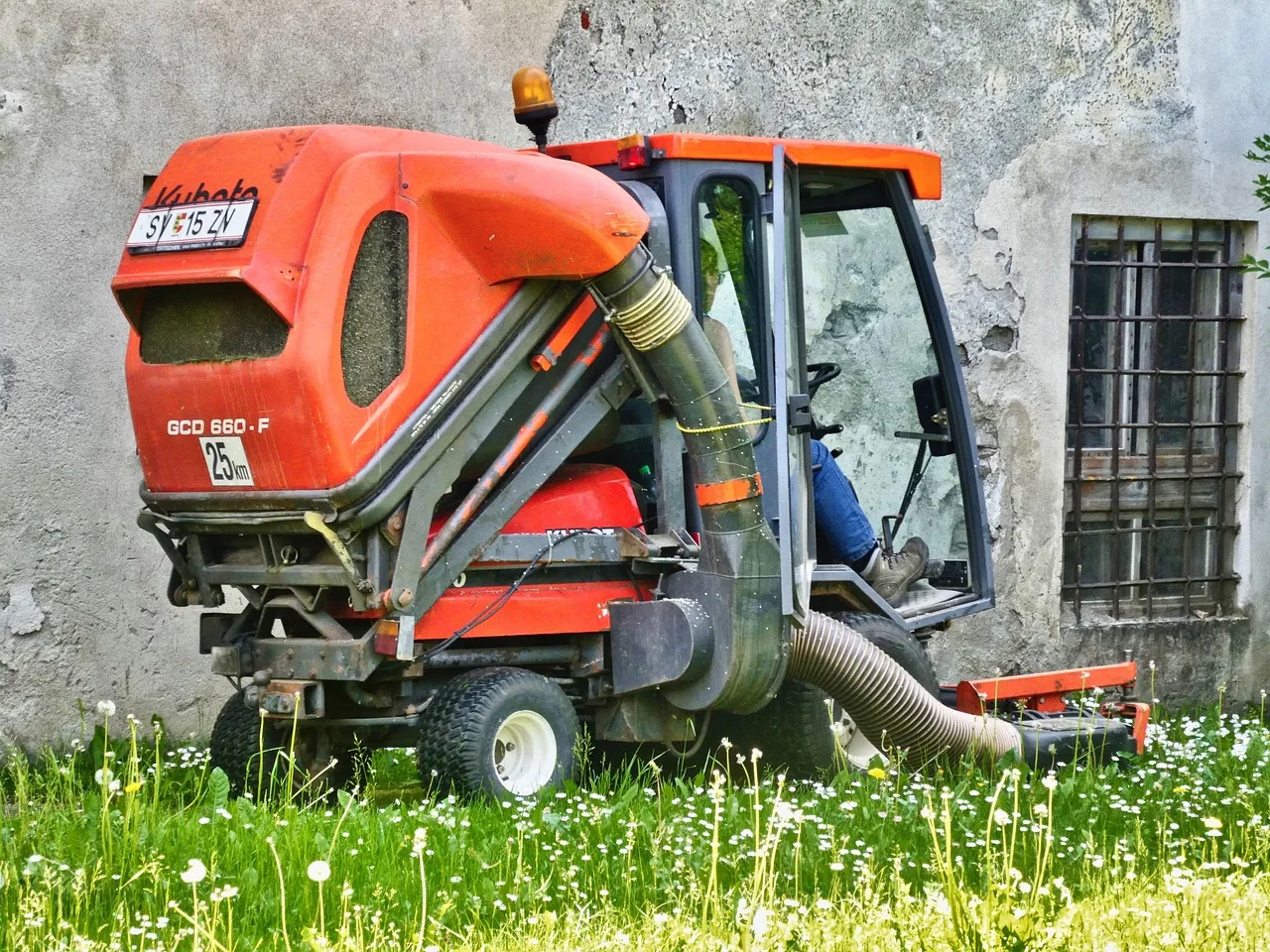
| 48-inch zero-turn | $5,000 to $9,000 new, $2,500 to $5,000 used | The Kubota Z231 and the Toro TimeCutter line sit inside that band. The Scag Tiger Cat II and Exmark Lazer Z list above it, which is why a first machine rarely needs commercial grade. The workhorse for standard suburban lots |
| String trimmer and edger | $250 to $500 | The Echo SRM-225 sits near the bottom, the Stihl FS 91 R near the top. Buy a second trimmer before you buy a second mower |
| Backpack blower | $300 to $600 | The Husqvarna 350BT runs about $330, the Stihl BR 600 about $550 |
| Trailer, 5x8 to 6x12 | $1,200 to $3,500 | Open utility trailers from Carry-On and Big Tex start near $1,200. Enclosed costs more; open needs a lock and a tarp |
| Trailer or truck hitch and tie-downs | $200 to $600 | U-Haul fits a Class III hitch and wiring for $250 to $500 |
| Hand tools, gas cans, safety gear | $300 to $600 | Includes chaps, hearing protection and a first-aid kit |
| Blades, oil, filters and trimmer line | $150 to $300 | One season of consumables on a single machine set |
Used equipment cuts the outlay hard and raises the maintenance line instead. A used zero-turn at $3,000 with $1,500 of repairs in year one costs more than a new one at $6,000 with a warranty.
Model both before you decide. The comparison between one capable machine and two cheap ones is worked through in the equipment and setup guide.
Insurance, registration and the recurring line
Insurance is the cost that surprises people because it arrives before any revenue does.
Recurring Costs
- $600/yearGeneral liability for solo operator
- $150–$400/weekFuel, maintenance, consumables
- $50–$500State LLC filing fees
- Few hundred/yearCommercial registration and license
- General liability for a solo operator typically starts around $600 a year and rises with revenue and crew size. Next Insurance and Thimble sell monthly general liability policies to one-person lawn care operations, which suits a part-time start.
- Commercial auto costs more than a personal policy on the same truck. Progressive Commercial and State Farm write for mowing crews, and a personal policy will often not cover a trailer used for business.
- Workers compensation is required in most states once you have employees. Premiums track payroll and class code, and a solo owner with no employees usually does not carry it.
- A commercial vehicle registration and any local business license add a few hundred dollars a year. State LLC filing fees run from roughly $50 to $500.
Fuel, maintenance and consumables for one crew run roughly $150 to $400 a week in season, depending on how far you drive between stops. Drive time burns fuel and hours together, so route density is a cost decision as much as a scheduling one.
The gap you have to fund
Startup capital is the outlay plus the cost of surviving the ramp:
Startup Capital Formula
- K = O + (C x W) - revenue
- O = one-off outlay
- C = weekly operating cost
- W = weeks to planned size
- Revenue averages half of target
- K = O + W x (C - half R)
During the ramp you are not at zero revenue and not at full revenue either. If you add customers steadily, revenue averages about half your target, which simplifies the formula to:
K = O + W x (C - half of R)
Two things follow. If C sits close to R, every extra week of W hurts. If R is comfortably above C, the ramp pays for itself and the question collapses back to O.
Run it with your own numbers. A $9,000 outlay, $300 a week in operating cost, and a target of $1,200 a week give a ten-week ramp. That gives K = $9,000 + 10 x ($300 - $600) = $6,000. The ramp earns more than it costs, so the real requirement is the outlay plus a buffer.
Why the ramp is longer than you plan
W is set by the season, not by effort. Spending starts in a quiet month: machines, insurance and registration are paid before growth does.
Seasonal Ramp
- Quiet monthMachines, insurance, registration paid
- Start of growing seasonDemand arrives in a rush
- Shoulder weeksReduced visit frequency
- Mid-season startW stretches across winter
Demand arrives in a rush at the start of the growing season, so most customer acquisition happens in a narrow window. The shoulder weeks at each end run at reduced visit frequency, so weekly revenue there is not R.
Start mid-season and W stretches across a winter.
Write your own season calendar before you set W. Count the weeks at full frequency, the weeks at reduced frequency, and the weeks at none.
Mowing frequency depends on grass growth, which varies by USDA hardiness zone and by how much rain the season delivers. The startup and market guide covers how season length shapes the route.
Funding options, compared on the bad month
Judge each option by what it does when a month goes wrong.
Funding Options on a Bad Month
Option
- Savings
- No repayment pressure
- Term loan
- Fixed repayment regardless
- Equipment finance
- Lose machine, not business
- Line of credit
- Draw and repay with season
- Seller finance
- Flexible and informal
- Credit cards
- Fast and unsecured
Bad-month behavior
- Savings
- Loss is yours alone
- Term loan
- 6%–12% rates
- Equipment finance
- 24–60 months
- Line of credit
- Up to $250,000
- Seller finance
- Put it in writing
- Credit cards
- Most expensive
Key detail
- Savings
- Term loan
- Equipment finance
- Line of credit
- Seller finance
- Credit cards
- Savings.No repayment pressure, and the loss is yours alone. The risk is putting in more than you can afford to lose because nobody says no.
- Term loan.Fixed repayment regardless of season. Manageable when the payment is small against C, punishing in the shoulder months. Bank and credit union rates for small equipment loans commonly land between 6% and 12%, and SBA 7(a) loans carry a prime-plus spread that rarely makes sense below $50,000.
- Equipment finance.Tied to the asset, so the failure mode is losing the machine rather than the business. Kubota Finance and John Deere Financial write these loans directly, and Sheffield Financial finances Toro and other outdoor power equipment on terms of 24 to 60 months. Read what happens on a missed payment before signing.
- Line of credit.Built for a seasonal gap, because you draw and repay with the season. Bluevine writes lines up to $250,000, and Chase and American Express offer business lines to smaller operators. The risk is treating it as capital rather than working cash.
- Seller finance on a used machine.Flexible and informal, and easy to get wrong. Equipment Trader and Machinery Trader list used units, and many private sellers will carry a note. Put it in writing.
- Credit cards.Fast and unsecured, and the most expensive option here if you carry a balance. The Chase Ink Business Cash card carries a 0% intro APR on purchases for 12 months, then a variable rate typically in the high teens to mid 20s.
- Microloans.SBA Microloans top out at $50,000 and average around $13,000, made through intermediaries such as Accion Opportunity Fund. Kiva US makes 0% loans up to $15,000.
Government-backed options and the general sequence are described in the SBA Business Guide. Read it for the structure of the process rather than for terms.
Costs people forget
- The second of anything that fails often. A spare Stihl FS 91 R or Echo SRM-225 runs $250 to $400, and a mid-route failure costs a day of stops, which is lost revenue rather than a repair bill.
- Insurance timing. Some customers want a certificate before the first visit, and carriers such as Next Insurance issue one in a day or two.
- Off-season storage and winter maintenance. A 10x20 storage unit runs $100 to $250 a month depending on market, plus $60 to $150 for a tune-up and blade sharpening.
- The certification path for any service you add. State applicator licenses usually cost $50 to $200 to obtain, with renewal every year or two. Federal expectations for applicators are described in the EPA certification standards, and your state department of agriculture administers what applies, including fees and renewal.
- Recordkeeping. QuickBooks Solopreneur runs about $20 a month, and a spreadsheet costs nothing but your time. The duties that come with your entity and tax registration are in the IRS starting a business material.
Put the figures you derive here in the money section of the plan, where the business plan skeleton puts them. Keep the receipts and the derivation together, because next season you will need to know where each number came from.
Costs People Forget
- Spare trimmer$250–$400
- Insurance certificate before first visit
- Off-season storage$100–$250/month
- Tune-up and blade sharpening$60–$150
- State applicator license$50–$200
- RecordkeepingQuickBooks ~$20/month
Common questions
What is the cheapest honest way to start?
A small, dense service boundary, one reliable machine set with a backup for the item that fails most, and a schedule that lets you work part time while the ramp runs. A Toro TimeCutter 42-inch at about $3,500 with a spare trimmer holds the outlay near $8,000, and it holds down the weeks you have to fund.
Should I buy a truck first?
Only if you cannot move your equipment without one. Transport is a constraint to satisfy, not a stage to reach, and money spent there is money not available to survive the ramp.
How much cash should I hold back?
Enough to cover weekly operating cost through the longest stretch of reduced-frequency weeks in your own season calendar, plus one unplanned repair. For a single crew that usually means $2,000 to $5,000 in reserve. Compute it rather than picking a round number.
When does borrowing make sense?
When it shortens the ramp or raises revenue, and the repayment is small enough that a bad month does not force a route decision. Borrowing to buy capacity a thin route cannot fill does the opposite, and the fix for a thin route is density, as the growth and territory reasoning sets out.
Do I need my numbers before the first customer?
You need the outlay and a first estimate of weekly cost. Revenue and ramp length only become real once you have stops to measure, which is why the launch sequence in the article on starting the business treats the first thirty stops as measurement rather than income.